
The 5 Design Decisions That Are Hardest to Change Later
(and why they matter more than you think)
There’s a moment in almost every project where someone says, “We can always change that later…”
Sometimes you can. But often, the things that feel small early on are the ones that are hardest, most expensive, or most frustrating to revisit once a project is underway (or worse, finished).
The reality is, good design isn’t just about how a space looks at the end, it’s about making the right decisions at the right time.
These are five of the most common design decisions I encourage clients to slow down and get right early.
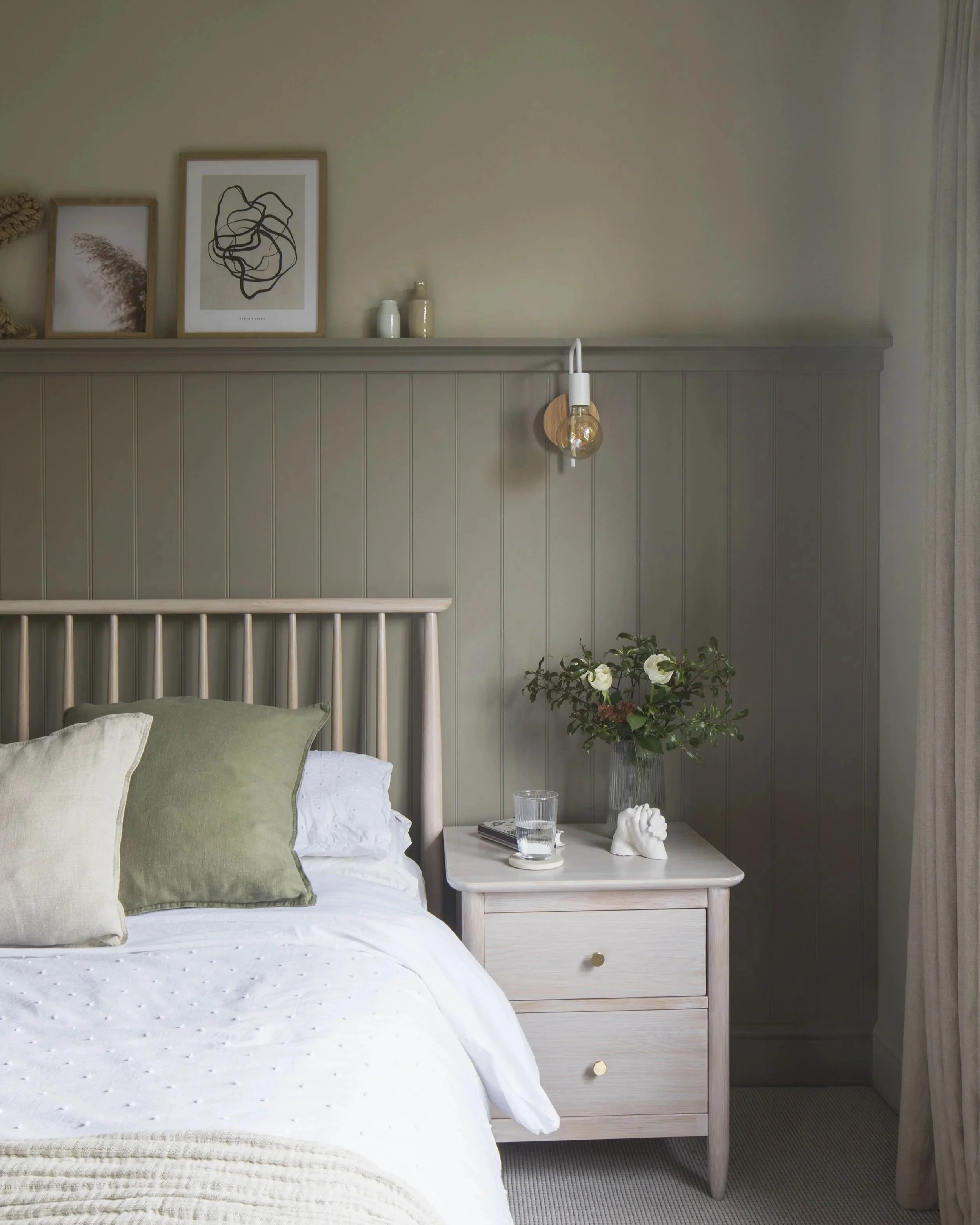
1. Lighting Positions
Lighting is one of the biggest missed opportunities in a renovation. By the time electrics are being installed, decisions are often rushed and it shows. It’s not just about where the ceiling spots go.
It’s about:
where you want atmosphere in the evening
how you’ll actually use the room
where softer, layered lighting should sit (wall lights, lamps, pendants)
Moving a light later usually means opening ceilings, reworking wiring, and unnecessary cost.
Extra thought: if you only plan ceiling lights, you’re missing half the picture.
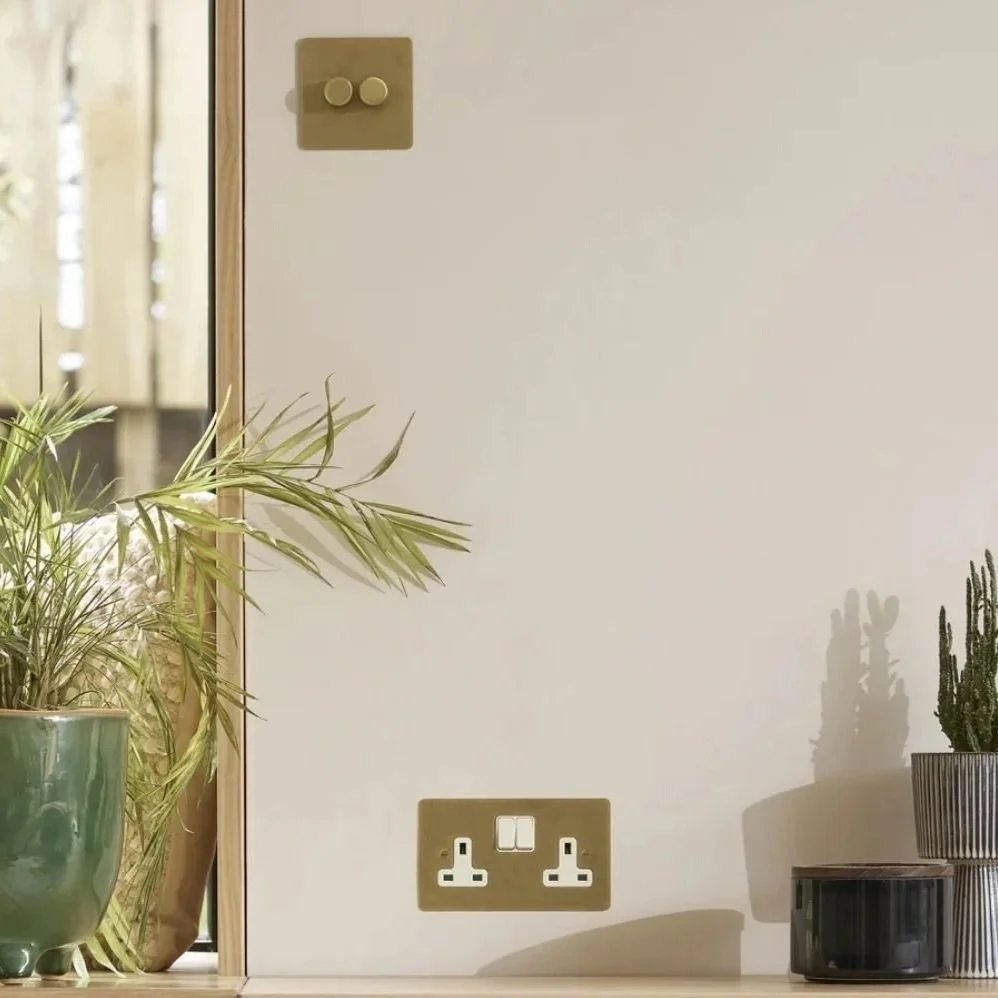
2. Socket Placement
Sockets are rarely planned with real life in mind.
Think beyond “where the walls are” and consider:
where lamps will actually sit
where you’ll charge your phone
how you’ll use the kitchen day-to-day
whether anything needs to be hidden (hello, TV walls)
A badly placed socket is something you notice every single day.
A well-placed one disappears completely, which is exactly the point.
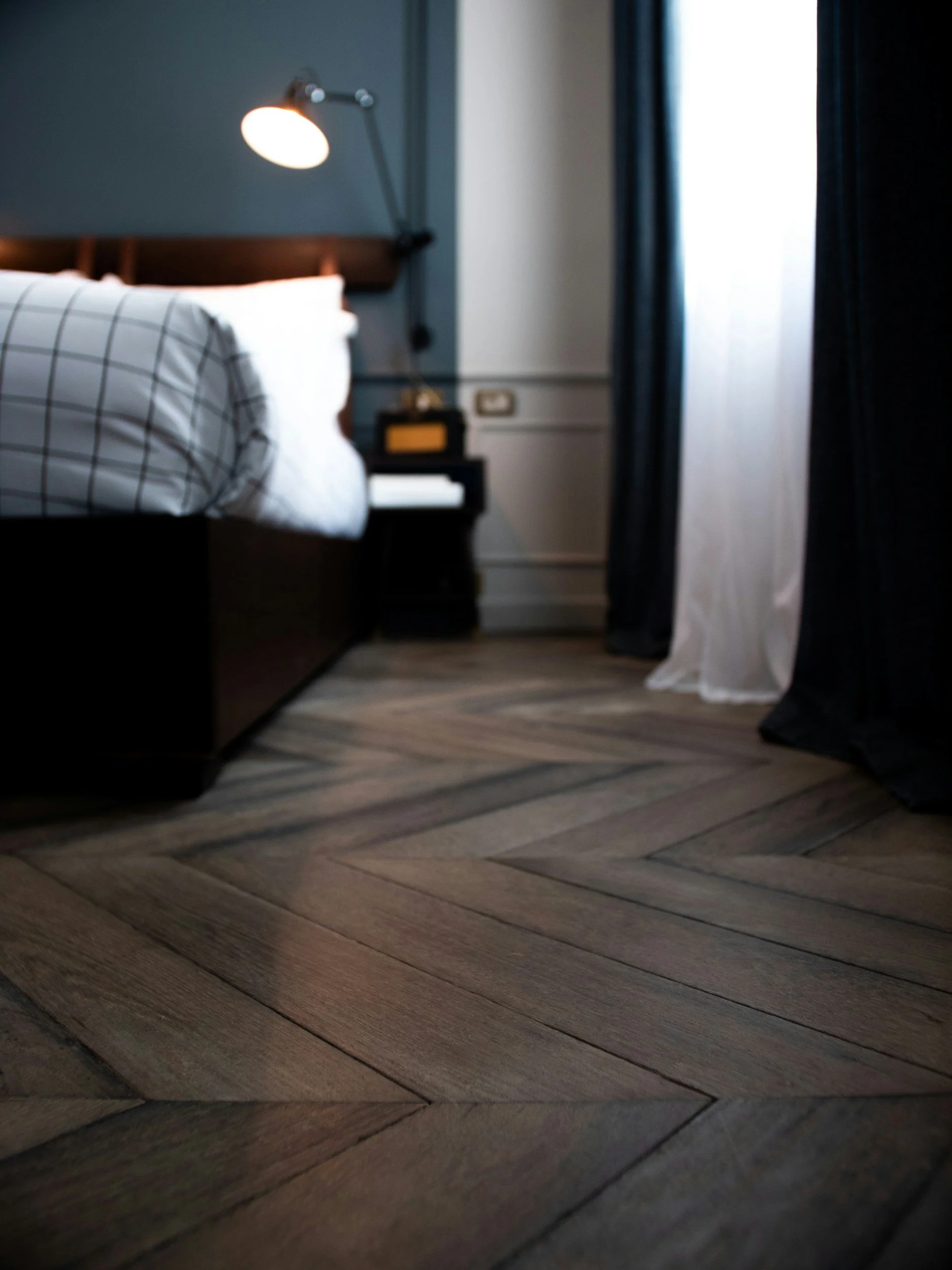
3. Flooring Continuity
Flooring sets the foundation for how a space feels.
Changing materials room to room can:
break up the flow
make spaces feel smaller
create unnecessary visual noise
Where possible, I always look at how flooring can run continuously — especially in open-plan spaces.
It sounds simple, but it needs early coordination with:
kitchen layouts
thresholds
underfloor heating
door details
Once it’s down, changing it is not a quick job.
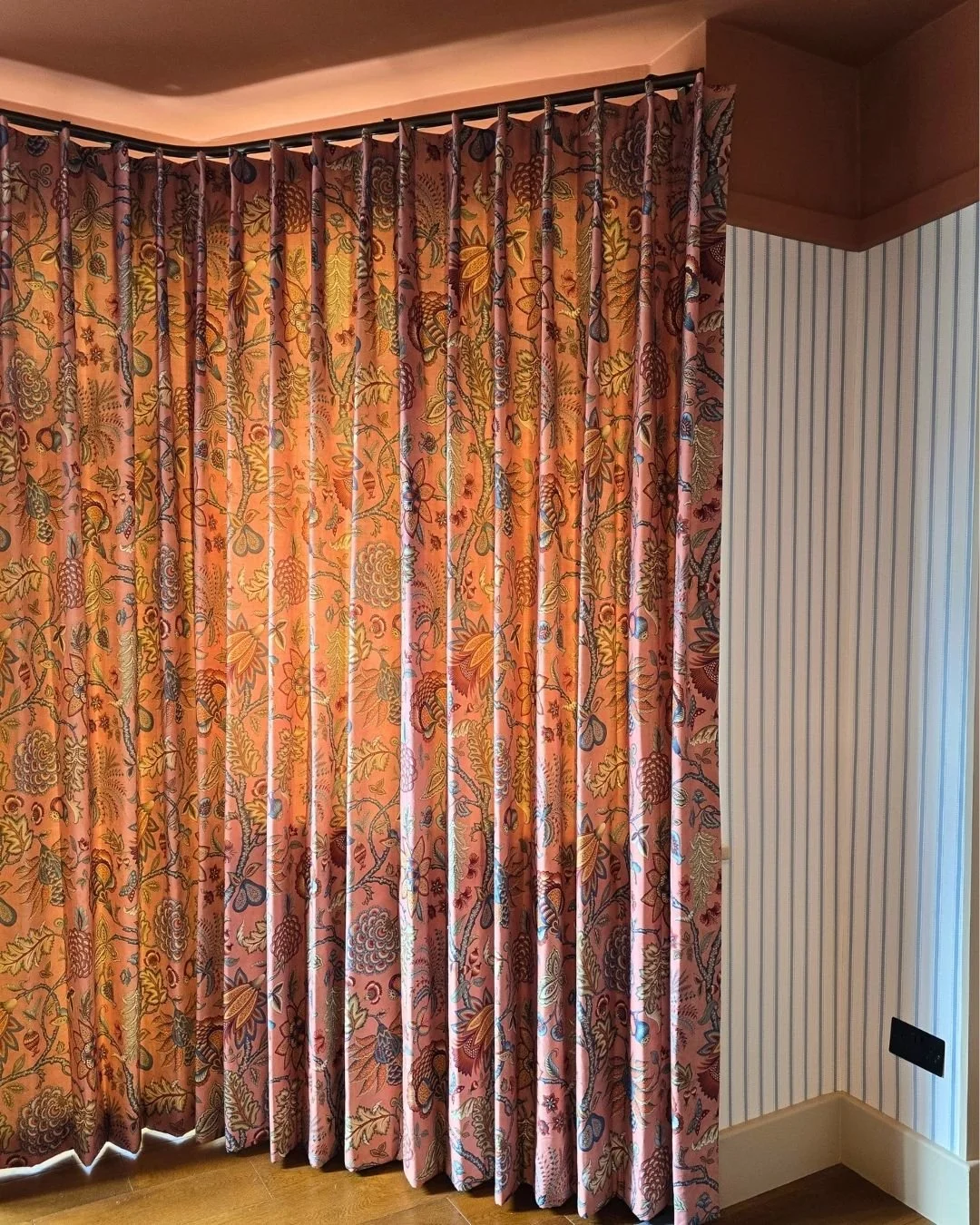
4. Curtain Planning (earlier than you think)
Curtains are often left until the end and by then, the opportunity has already been missed.
Planning early allows for:
recessed tracks for a cleaner finish
the right stack-back space so windows aren’t blocked
proper blackout solutions where needed
integration with lighting and ceiling details
Retrofitting curtains almost always means compromise.
And they’re one of the biggest contributors to how a room feels.
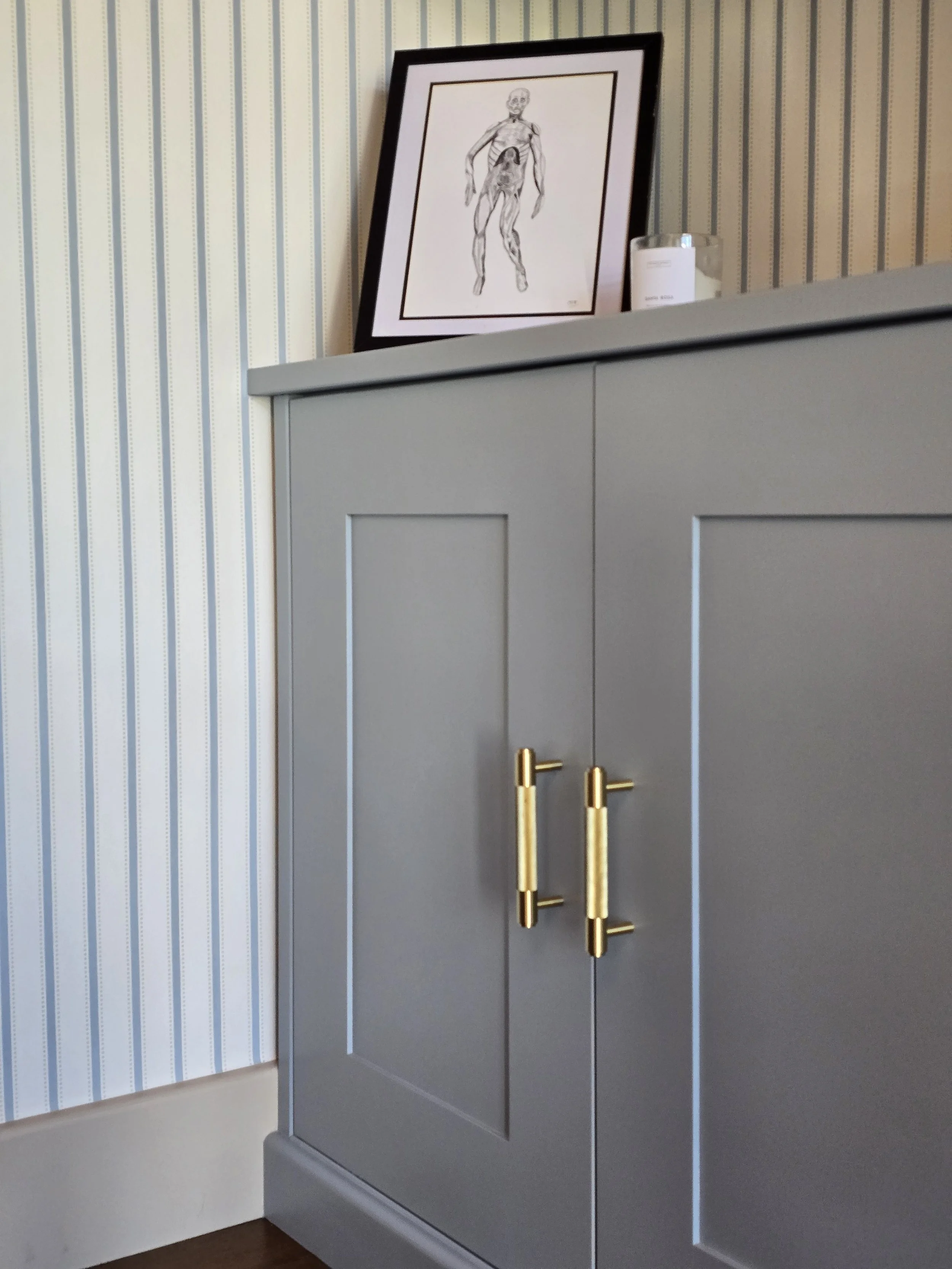
5. Joinery Decisions
Joinery sits at the intersection of function and design and it needs time.
This includes:
TV walls
wardrobes
shelving
storage that actually works for how you live
Late decisions here often lead to:
awkward proportions
missed opportunities for hidden storage
or rushed designs that don’t quite resolve
Good joinery should feel like it was always meant to be there.
Because it was.
None of these decisions are about being overly precious, they’re about avoiding that “if only we’d thought of that earlier” feeling. The best projects aren’t the ones with the biggest budgets. They’re the ones where the thinking happened at the right time.
If you’re planning a renovation or reworking your space and want to get these decisions right from the start, I’d love to help.
Or, if you’re mid-project and something here has made you pause, feel free to reach out. It’s never too early (and rarely too late) to rethink the details that matter.
