
An Interior Designer’s Approach to New Build Homes
New build homes have so much going for them. They’re clean, fresh, energy-efficient and beautifully light-filled. Everything works, everything is new, and there’s a real sense of possibility when you first get the keys.
And yet…
Once the boxes are unpacked and the novelty wears off, I’ve met lots of clients who have found themselves feeling a little stuck.
You might be living in a pristine space that somehow doesn’t quite feel like home. Rooms may feel flat, echoey or undefined. Open-plan layouts can feel overwhelming. Storage is sometimes minimal, and despite loving the showhome you were sold, your own home feels very different once it’s empty and unstyled.
This is where thoughtful interior design can really help.
The reality of new build homes
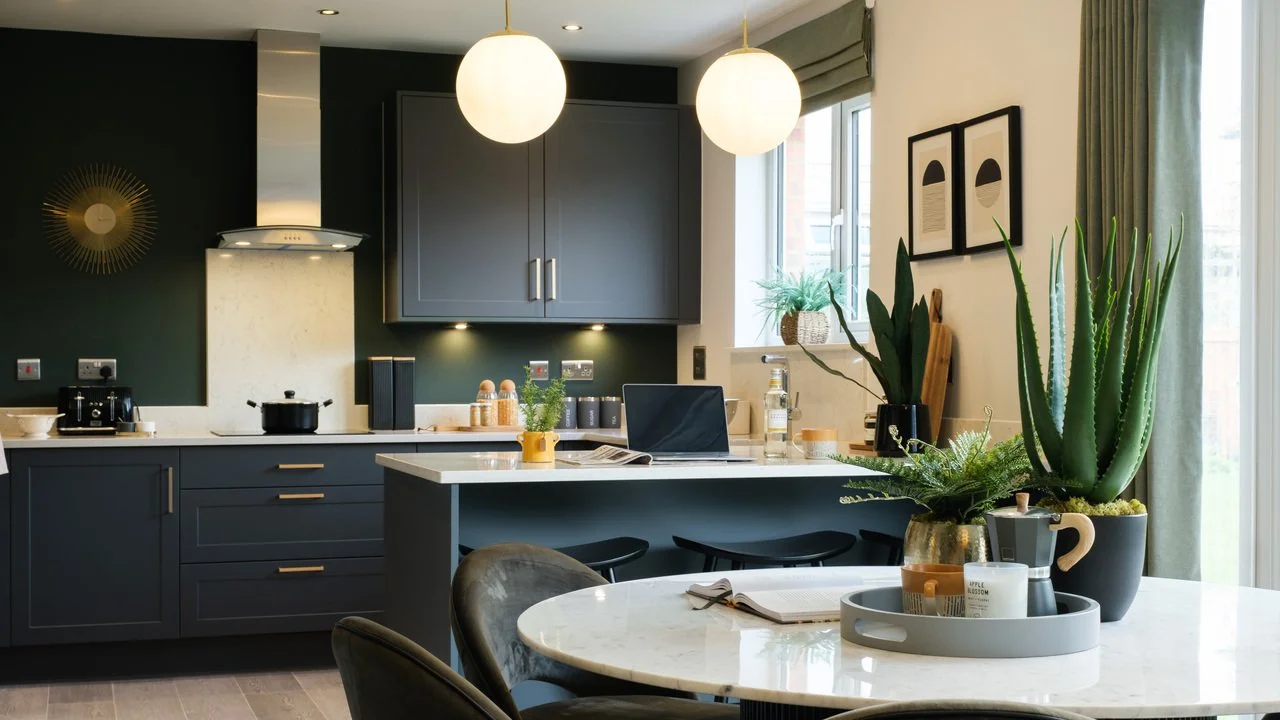
New builds are designed to appeal to as many people as possible. That often means neutral finishes, safe layouts and minimal character. They’re intended as a blank canvas - but blank canvases can feel daunting without a clear plan.
Showhomes add another layer of confusion. They’re beautifully styled, expertly proportioned and thoughtfully zoned. But they’re created to sell a lifestyle, not to reflect how you actually live day to day. Furniture is often smaller than standard, layouts are adjusted for flow rather than function, and practical realities like storage, tech and real-life clutter are carefully edited out.
So when clients tell me:
“I don’t know where to put anything”
“The space feels cold or unfinished”
“I loved the showhome, but mine doesn’t look like that”
“We don’t use the rooms properly”
I know we’re starting in exactly the right place.
My step-by-step approach to new build interiors
Step 1: Understanding how you really use the space
Before we talk about colour, furniture or finishes, I always start with how you live.
How do you move through the home each day?
Where do you naturally gather?
Do you work from home?
Do you entertain often or prefer cosy, private spaces?
What’s currently not working — storage, layout, flow?
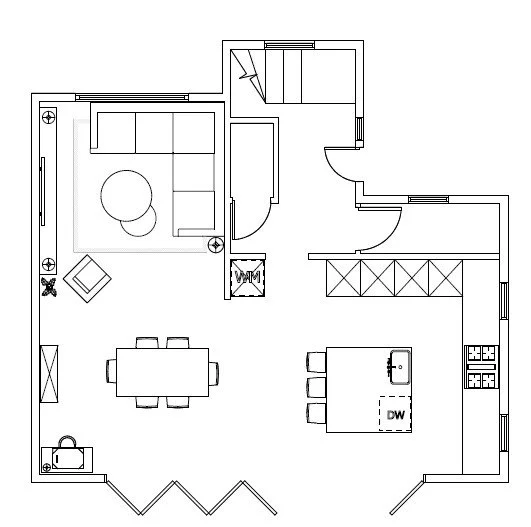
Open-plan spaces are a common challenge in new builds. Without clear visual cues, rooms can feel undefined or underutilised. A dining area might feel like an afterthought, or a living zone might float awkwardly in the middle of the room.
Identifying these friction points early allows us to design with intention rather than simply filling space.

Step 2: Identifying problem areas — and solving them properly
Once we understand how you live, we can pinpoint what’s missing.
This might include:
Creating clearer zones within open-plan layouts
Improving storage with bespoke or cleverly integrated solutions
Reworking furniture layouts so rooms feel balanced and purposeful
Making awkward spaces work harder (under-stairs areas, hallways, landings)
This is where professional planning makes a huge difference. Small changes in layout can completely transform how a space feels and functions.
Step 3: Creating a colour story for your home
New builds often come with a sea of white walls — which is a great starting point, but rarely the finished answer.
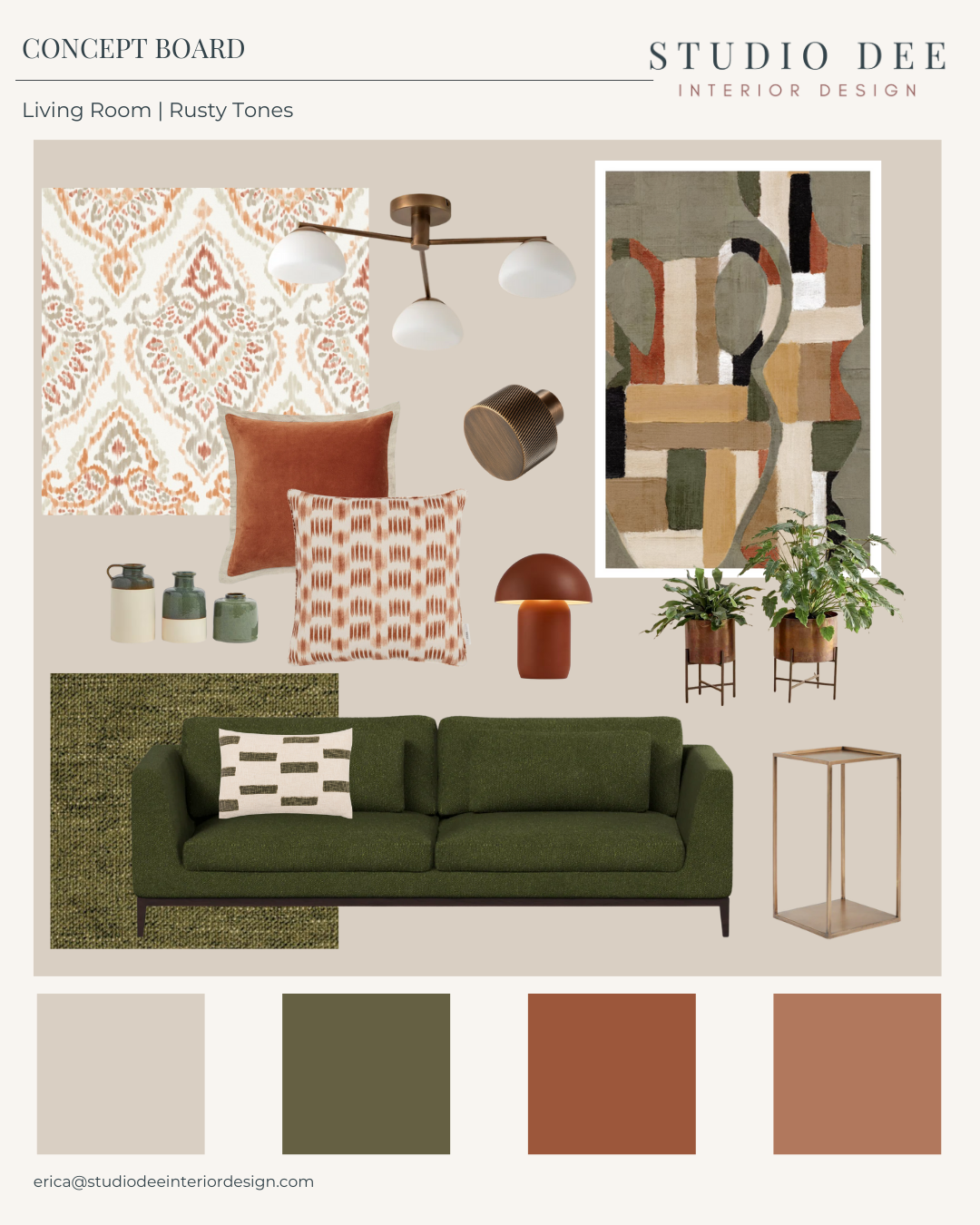
I introduce colour and pattern in a way that feels natural and lived-in, rather than overly styled or repetitive. Each room doesn’t need to look the same, but there should be a subtle thread running through the home - colours, textures or patterns that reappear in small ways and create a sense of flow.
This might be a tone picked up across different rooms, a pattern echoed in soft furnishings, or texture layered through materials and finishes. These details bring personality and cohesion without making the home feel formulaic.
I always consider:
How natural light moves through the house
Where colour, pattern and texture can add warmth and depth
How each room can feel individual while still connected
The result is a home that feels relaxed, considered and personal to you and not a pinterest carbon copy.
Step 4: Layering Lighting and Adding the Finishing Touches
Lighting is often overlooked in new builds, but it’s one of the quickest ways to make a space feel warm, lived-in and truly homely.
Rather than relying solely on ceiling lights, I focus on layering lighting throughout the home. Floor lamps, table lamps and wall lights soften the space, create atmosphere and allow rooms to adapt from day to night. This layered approach adds depth and avoids the flat, overly bright feel that new builds can sometimes have.
If rewiring feels like too much, rechargeable and plug-in lighting is an excellent alternative. It allows you to introduce warmth and flexibility without the need for extensive works — particularly useful in bedrooms, living areas and hallways.
Once the lighting is in place, it’s the finishing touches that truly bring the home to life. Art, objects and personal pieces you love add meaning and individuality, ensuring the space feels collected over time rather than styled in one go.
The result is a home that feels comfortable, considered and unmistakably yours - not just finished, but lived in.

From Blank Canvas to a Home That Feels Like You
New build homes don’t have to feel impersonal or difficult to get right. With a thoughtful approach, they can become calm, practical and beautifully layered spaces that support how you live day to day.
If you’ve moved into a new build and aren’t quite sure where to begin, that’s completely normal. A
blank canvas can feel exciting — and a little overwhelming — all at once.
My approach as an interior designer is friendly, collaborative and realistic - helping you make clear, thoughtful decisions that suit your home, your lifestyle and your budget.
